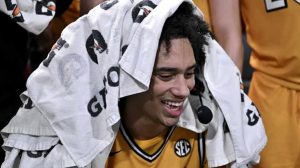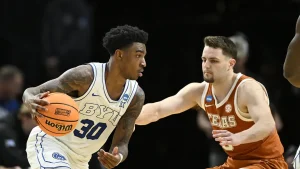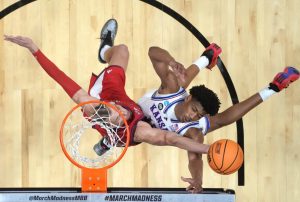
Missouri head coach Dennis Gates added much-needed size and talent to the Tigers’ roster by bringing in transfers Jaylen Carey and Bryson Tiller. On paper, both forwards possess the physical tools to strengthen Missouri’s interior presence, but a deeper look at their recent performances suggests there is still significant work to be done before they can become reliable pieces in the Tigers’ offensive system.
A major concern revolves around how well the duo can operate in pick-and-roll situations alongside highly touted freshman guard Jason Crowe Jr. While Crowe is expected to be a dynamic playmaker capable of creating opportunities for teammates, success in the pick-and-roll depends heavily on the big men finishing plays around the basket. Film and statistical analysis from last season indicate that both Carey and Tiller struggled in that area, ranking among the least efficient roll men in high-major college basketball.
Carey, who transferred from Tennessee, built his offensive game around physical post-ups, offensive rebounds, and finishes near the rim. Although he showed flashes of effectiveness when establishing deep position early in possessions, he often struggled when forced to create after receiving passes on the move. Defenses frequently used drop coverage against Tennessee, daring Carey to finish through traffic, and his inability to consistently punish defenders limited the effectiveness of the Volunteers’ pick-and-roll attack.
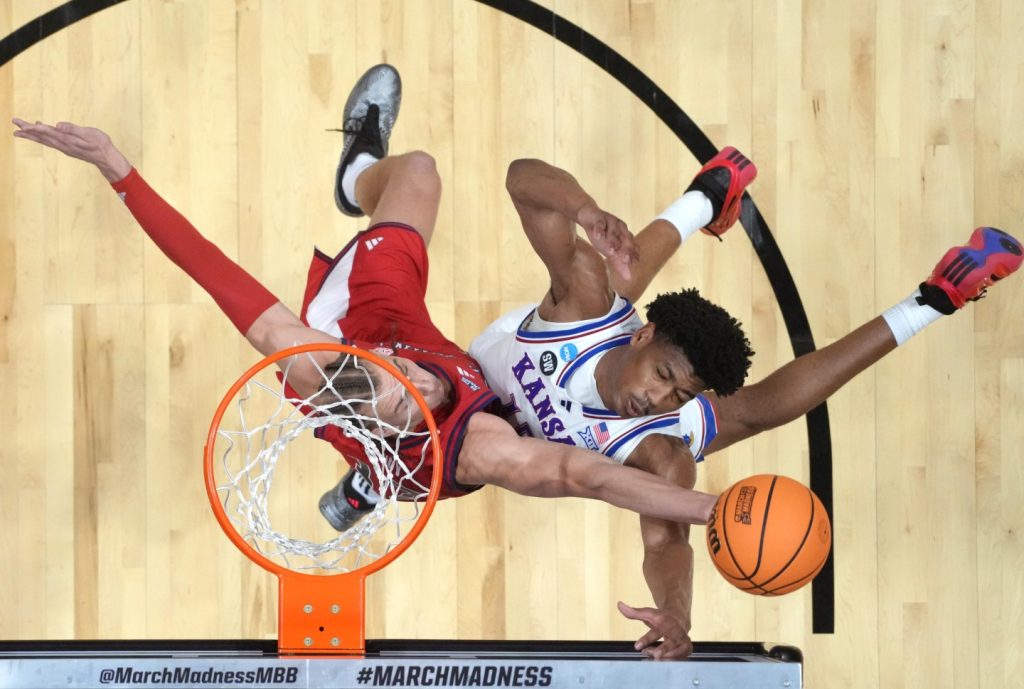
Meanwhile, Bryson Tiller arrives in Columbia with tremendous upside. The former five-star recruit possesses ideal size, athleticism, and length for the modern game. However, questions about his aggressiveness followed him throughout his high school career and remained evident during his freshman season at Kansas. Despite displaying moments of brilliance, Tiller often settled for floaters and mid-range attempts instead of attacking defenders with force at the rim. His efficiency as a roll man was only marginally better than Carey’s, raising concerns about how quickly he can adapt to a larger offensive role.
Missouri’s coaching staff believes both players can improve. For Carey, refining his touch around the basket and designing offensive actions that allow him to establish preferred post position could help maximize his strengths. For Tiller, the focus may be more mental than technical, encouraging him to play with greater confidence and aggression whenever opportunities arise in the paint.
The development of both forwards could have a significant impact on Missouri’s overall success. If Carey and Tiller become reliable finishers, they would not only boost their own production but also create more opportunities for teammates such as Jamier Jones, Aaron Rowe, and Kennard Davis. More importantly, their growth would ease the burden on Crowe by rewarding the freshman guard’s playmaking with efficient scoring opportunities.
Modern college basketball increasingly depends on roster chemistry and supporting talent rather than simply placing the ball in the hands of a highly ranked freshman. Missouri believes Crowe has the ability to lead the offense, but his success will be tied closely to the players around him. If Carey and Tiller can transform their weaknesses into strengths, the Tigers’ frontcourt could become a major factor in determining whether Missouri takes a significant step forward during the 2026 season.